

Driving While Drowsy: Why Late Winter Sun Glare Is A Hidden Danger For Midwest Commuters


Driving in the Midwest during late winter can be tricky. Winter Sun Glare Driving creates serious risks, especially at sunrise and sunset. This blog shares tips to handle glare and avoid accidents caused by drowsy driving.
Learn how to stay safe on winter roads!
Key Takeaways
Late winter sun glare during peak hours (7:00-7:45 a.m. and 4:00-5:00 p.m.) in the Midwest reduces visibility, increasing accident risks for drivers in Ohio, Indiana, and Kentucky.
Fatigue worsens reaction times when combined with sun glare, making drowsy driving more dangerous on busy highways like I-75 or I-65.
Polarized sunglasses, clean windshields, reduced speed, and increased following distance are key steps to manage glare safely.
Truck drivers face greater hazards due to long shifts and vehicle size; young drivers also struggle with managing glare during commutes.
Choosing shaded routes or adjusting drive times helps avoid direct sunlight exposure during sunrise or sunset hours in snowy conditions.
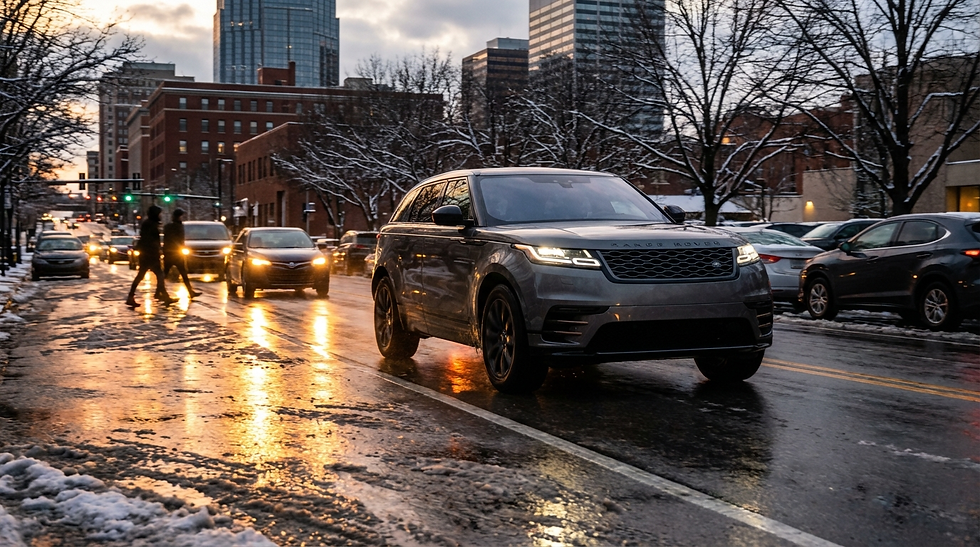
Why Late Winter Sun Glare Is a Hazard for Midwest Drivers
Late winter sun glare can make it harder to see the road, especially during busy driving hours. Bright sunlight bouncing off snow or wet pavement increases crash risks in Ohio, Indiana, and Kentucky.
Impact on visibility during peak hours
Sun glare during peak hours reduces visibility for Midwest commuters. Between 7:00 to 7:45 a.m. and 4:00 to 5:00 p.m., the sun's low position in winter causes intense brightness. This can make it hard to see pedestrians, road signs, or oncoming vehicles.
Bright sunlight is a leading cause of daytime crashes. Drivers should use polarized sunglasses or sun visors to lessen glare. Slowing down and increasing following distances also help prevent accidents during these risky times of day.
Increased risks of accidents during winter months
The risks of motor vehicle crashes rise during winter. Low sun angles between 7:00 and 7:45 a.m. and 4:00-5:00 p.m. increase glare, making it harder to see the road ahead. Reflective snow and ice make this worse, creating dangerous driving conditions.
Fatigue from less daylight can also worsen reaction times. Drivers are more likely to face drowsy driving incidents during these months, adding to the hazards caused by ultraviolet light exposure.
Slippery roads combined with poor visibility lead to higher accident rates in cities like Cincinnati and Indianapolis, as well as smaller towns such as Harrison, Ohio, or Aurora, Indiana.

Effects of Sun Glare on Driver Safety
Sun glare can make it hard to see the road ahead. It creates sudden brightness that may blind drivers, leading to dangerous situations.
Reduced visual perception and temporary blindness
Glare from the late winter sun can slow reaction times. Bright sunlight during sunrise and sunset often leads to temporary blindness, making it harder to see other motorists or hazards.
This effect grows worse when snow or ice reflects the light back into your eyes.
Polarized sunglasses for driving help reduce glare and improve visual perception. Clean windshields are also vital since a dirty windshield can scatter light and increase the risk.
Drivers should lower speeds and maintain more distance from others to stay safe in these conditions.
Obstruction of road signs and pedestrian visibility
Late winter sun glare blocks road signs and makes them hard to see. Drivers may miss important warnings or directions, raising accident risks. Pedestrians become harder to spot, too, especially near crosswalks.
Fatigue worsens these challenges. Drowsy drivers respond slower when visibility drops. This increases the chances of accidents involving both vehicles and pedestrians.
The Role of Drowsy Driving in Winter Driving Hazards
Driving while tired makes winter roads even more dangerous. Fatigue lowers focus, making it harder to handle hazards like sun glare or icy patches.
How fatigue compounds the risks of sun glare
Fatigue slows reaction times and reduces focus. Combined with sun glare, this makes driving more dangerous. Late winter sun glare can temporarily blind drivers during peak hours. A drowsy driver facing reduced visibility may struggle to react quickly to hazards like changing traffic or pedestrians.
Both fatigue and sun glare impair judgment. This increases the risk of accidents on high-traffic Midwest roads like those in Ohio, Indiana, and Kentucky. For truckers or semi-truck drivers, these dangers grow due to longer driving shifts and heavy vehicle loads.
Common scenarios for drowsy driving in the Midwest
Long commutes in states like Ohio, Indiana, and Kentucky often lead to fatigue. Drivers may feel sleepy during early morning or late-night trips when visibility is already low due to winter conditions.
Fewer daylight hours in late winter increase the likelihood of driving under these risky circumstances.
Midwest truck drivers face extended hours on open highways. Semi-truck drivers traveling routes like I-70 and I-75 are at higher risk if they combine drowsiness with sun glare or snow blindness.
New drivers with a learner’s permit also struggle since they have less experience managing fatigue while commuting safely.
Safety Tips for Managing Sun Glare
Protect your eyes and improve visibility while driving in bright winter sunlight. Take simple steps to stay safe during peak glare hours this season.
Use polarized sunglasses to reduce glare
Polarized sunglasses cut down glare from the sun, snow, and ice. They help drivers see clearly during bright winter commutes in Ohio, Indiana, and Kentucky. These lenses filter sunlight effectively and lower distractions caused by reflections.
They are especially helpful in early mornings or evenings when the sun glare peaks. Using polarized sunglasses can boost driving safety on snowy roads or high-risk routes like Milan Indiana, highways.
Keep a pair handy to avoid temporary blindness caused by harsh light while commuting safely.
Clean your windshield inside and out
Keep your windshield spotless to improve visibility and cut down on glare. Dirt, smudges, or streaks greatly intensify sun glare during winter drives. Regularly clean both the outer and inner glass for a clear view.
Replace old wiper blades if they leave streaks or fail to clear properly. Cleanliness can help you see road signs, pedestrians, and other vehicles clearly in bright sunlight. Use this step along with polarized sunglasses for extra protection from sun glare effects while driving safely in Ohio or Indiana winters.
Utilize your sun visor or wear a hat for extra protection
Dirty windshields worsen the glare, but sun visors or hats help block it effectively. Flip your car’s sun visor down to shield your eyes from strong sunlight.
Wear a hat with a wide brim for extra coverage if needed. These simple tools improve visibility and reduce risks during late winter commutes in Ohio, Indiana, and Kentucky.
Reduce speed and increase following distance
Slowing down helps you react to sudden stops caused by sun glare. It also gives you better control in low-visibility situations. Keeping a safe speed can prevent accidents during winter commutes.
Increase your following distance to at least 4-5 seconds. This extra space allows more time to respond if the car ahead brakes suddenly. Combine this with clean windshields and polarized sunglasses for safer Midwest drives.
Adjusting Your Driving Habits in the Midwest
Change your drive times and routes to avoid the sun's glare during peak hours.
Avoid driving directly into the sun during peak hours
Driving into the sun at sunrise or sunset lowers visibility and increases accident risks. The winter sun sits lower in the sky, making glare more intense. Snow and ice on roads reflect sunlight, worsening the issue for Midwest commuters.
Plan your drive to avoid these peak hours. Choose alternate routes with less direct exposure to sunlight if possible. Reducing direct sun exposure lowers chances of temporary blindness and helps you stay alert while driving safely.
Plan alternate routes to minimize sun exposure
Choose roads with trees or buildings that provide shade. Avoid east-west routes during sunrise and sunset to reduce exposure to intense glare. Pick paths with minimal snow and ice to limit reflections.
Adjust travel times if possible. Driving earlier or later can help miss peak sun glare periods. This simple change improves visibility and safety while commuting in winter months.
Special Considerations for Semi-Truck Drivers and New Drivers
Truck drivers and teens face unique challenges with sun glare, making extra caution essential for safe winter driving.
Precautions for truck drivers to avoid sun-related blindness
Polarized sunglasses help filter harsh glare from horizontal light waves. Keep a clean windshield to avoid streaks and smudge buildup that worsen the glare. Use effective sun visors to block direct sunlight while driving long hours during peak sun times.
Adjust your speed when facing intense sunlight, especially in the winter months. Turn on the headlights during glare conditions so others can see your truck clearly, too. These steps reduce risks associated with drowsy driving caused by the bright winter sun, leading to tips for parents teaching teens about safe commuting habits.
Tips for parents to teach teens about sun glare safety
Teach teens the risks of sun glare in early morning or evening winter drives. Encourage using sunglasses with polarized lenses to reduce glare and improve vision. Show them how to clean windshields with microfiber cloths and check wiper blades often for clear views.
Remind young drivers to adjust their driving speed during bright conditions. Stress increases following distance for safety. Suggest wearing baseball caps and using car sun visors to block low sunlight angles.
Explain rerouting or pulling over as smart choices during severe glare situations.
Winter Sun Glare and the Midwest Commuter Experience
Late winter sun glare can create tough driving conditions for Midwest commuters, making certain routes more dangerous—learn how to stay safe.
Specific challenges in Ohio, Indiana, and Kentucky
Drivers in Ohio, Indiana, and Kentucky face intense sun glare during winter mornings and evenings. Peak hours are 7:00-7:45 a.m. and 4:00-5:00 p.m., often aligning with busy commuter times.
This glare can cause temporary blindness, making it hard to spot pedestrians, signs, or oncoming vehicles.
Truck drivers traveling at high speeds are especially vulnerable on highways like I-75 in Ohio or I-65 through Indiana and Kentucky. High-risk routes near cities like Cincinnati or Louisville see frequent accidents due to reduced visibility from sun glare.
Keeping windshields clean and using polarized sunglasses helps lower these risks for all drivers.
High-risk routes and commuter hotspots
Sun glare causes problems on eastbound routes during the morning rush from 7:00 to 7:45 a.m. Westbound routes face challenges in the late afternoon between 4:00 and 5:00 p.m. Snow, ice, and reflective surfaces make these times more dangerous for Midwest drivers.
Commuter hotspots in states like Ohio, Indiana, and Kentucky see higher risks. Busy highways with heavy traffic become even more hazardous due to drowsy driving mixed with bright sun glare.
Slower speeds and extra caution are essential during peak sunlight hours on these roads.
Exploring Vehicle Options and Financing for Safer Winter Driving
Choose vehicles with advanced safety features and explore affordable financing options to boost your winter driving confidence.
New Inventory
Tom Tepe Autocenter offers new vehicles designed for safer winter driving. These vehicles include features to reduce sun glare, improving visibility in low sunlight conditions. Options like advanced window films and tints help Midwest drivers tackle late winter hazards with ease.
The inventory includes models built for Midwest commutes during tough weather months. Financing plans are also available, making it easier to secure a vehicle that enhances safety and comfort on the road.
Used Vehicles
Used vehicles are a smart choice for Midwest drivers looking to save money and stay safe on icy roads. Pre-owned cars often come with better affordability and lower depreciation compared to new models.
Many used SUVs or trucks also offer features like all-wheel drive, which is crucial for safer winter driving.
Buyers can explore options that prioritize fuel efficiency, reducing costs during long commutes in Ohio or Indiana winters. Carefully choosing vehicles with heated mirrors or fog lights adds safety while managing late-winter sun glare.
Always inspect the condition of the windshield and tires before purchase, since both are key for handling cold-weather hazards effectively.
Conclusion
Late winter sun glare poses real risks for Midwest drivers. It reduces visibility and increases the chance of accidents, especially during peak hours. Combine this with drowsy driving, and the danger grows significantly.
Take steps to protect yourself by using sunglasses, keeping windshields clean, and adjusting your habits. Stay alert to make every commute safer.
FAQs
1) Why does sun glare feel worse in late winter than other times of year?Late winter sunlight often hits at a low angle during the exact times most people commute—early morning and late afternoon. When that low sun reflects off snow, ice, or wet pavement, the glare can spike fast and cut your visibility in a split second.
2) What are the biggest warning signs that I’m too tired to drive safely?If you’re yawning repeatedly, blinking heavily, drifting within your lane, missing exits, or realizing you don’t remember the last few miles, those are major red flags. In late winter, glare can “mask” fatigue because you’re already squinting and straining—so it’s smart to treat tired driving as a real safety issue, not something to push through.
3) What’s the safest way to handle sudden sun glare while I’m driving?Ease off the gas, increase following distance, and use your sun visor to block the worst of the glare. Keep your windshield clean (inside and out), because haze and streaks make glare much worse. If visibility drops to the point you can’t confidently see lane lines, signals, or cars ahead, it’s safer to pull over somewhere secure until conditions improve.
4) Does my vehicle make a difference with glare and winter visibility?Yes. A clean, clear windshield, healthy wiper blades, good defrosters, and properly aimed headlights all matter—especially in winter when fogging, road film, and salt buildup are common. If your wipers smear, your defroster is weak, or your headlights seem dim, getting it checked can make a big safety difference.
5) How can Tom Tepe Autocenter & Car Country help me drive safer this winter?If winter glare or visibility has been stressing you out, Tom Tepe Autocenter & Car Country can help you get your vehicle road-ready with a quick check on things that affect winter visibility—like wipers, defrost performance, windshield condition, and lighting. And if you’re shopping for something better suited for winter commuting, our team can help you find a vehicle that fits your route, your comfort level, and your budget—so you feel more confident every time the sun drops low.
Harry Tepe, Owner and Dealer Principal, Tom Tepe Autocenter
Harry Tepe is a seasoned automotive expert and the owner of Tom Tepe Autocenter, a leading vehicle dealership serving the Midwest states of Ohio, Indiana, and Kentucky. With a lifelong passion for automobiles.
Over the years, Harry worked his way up through various roles, absorbing valuable insights into sales management and dealership operations until he became the youngest GM Dealer Principal and owner of Tom Tepe Autocenter, expanding the business to include multiple locations and a standalone reconditioning center.
Under Harry's leadership, Tom Tepe Autocenter and Car Country in Aurora and Harrison, Ohio, have grown exponentially, selling over 2000 vehicles annually and generating over $50 million in revenue. His active involvement in the industry is further evidenced by his participation in the NADA 20 Group and his influential role on the Board of Directors for the Indiana Auto Dealers Association, even serving as its President in 2016.
Harry's journey embodies the essence of expertise, authority, and trustworthiness. His insights and experiences are not just stories of personal growth and business success; they are testaments to his deep understanding of and commitment to the automotive industry.



Comments