

Frozen Solid: The $5 Gadget Every Cincinnati Driver Needs In Their Pocket When Locks Seize Up

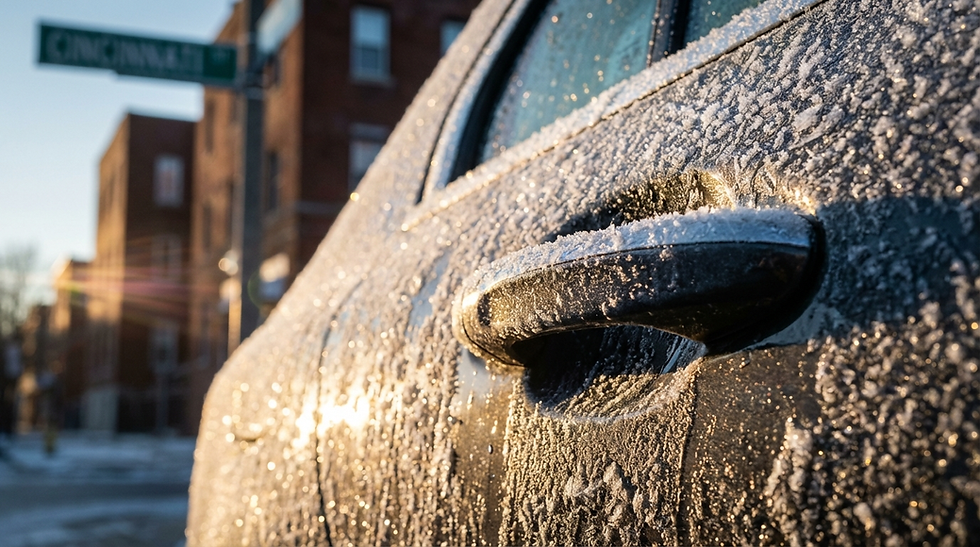
Frozen car locks are a common headache during harsh winters in Cincinnati. Cold weather can cause locks to freeze, leaving drivers stranded. This guide shares the best frozen car door lock fix using an affordable $5 gadget and other quick tricks.
Keep reading to stay prepared this winter!
Key Takeaways
Frozen car locks are common during harsh Cincinnati winters. Moisture in locks freezes when temperatures drop below 32°F, causing blockages.
A $5 lock de-icer is the best solution. It contains alcohol that melts ice quickly without damaging the lock.
Safe alternatives include using hand sanitizer, rubbing alcohol, warming your key with your hands, or a hairdryer on low heat. Avoid boiling water or open flames as they can damage locks and cause risks.
Prevent frozen locks by applying silicone-based lubricants before winter, using protective covers over locks, and keeping a de-icer spray handy in your car’s glove box.

Common Issues with Frozen Car Locks
Frozen car locks can ruin a morning quickly. Cold weather makes it harder to access your car, especially in the Midwest winters.
Why Do Car Locks Freeze?
Car locks freeze due to cold weather exposure and trapped moisture. Washing a car in freezing temperatures can worsen the problem by allowing water to seep into the lock, where it freezes solid.
Ice forms inside locks when temperatures drop below 32°F. Snow or rain entering keyholes can also create blockages. Drivers in Midwest areas like Ohio, Indiana, and Kentucky often face this issue during harsh winters.
Dangers of Forcing Frozen Locks
Forcing frozen locks can cause expensive damage. Keys might break if too much force is used. Lock mechanisms can snap, leading to costly repairs or replacements. Using hot water may seem helpful, but it often worsens the problem by refreezing quickly and damaging internal parts.
Pushing a stuck key adds strain to the lock system. If it breaks inside, removing it requires professional help. To avoid being stranded in winter emergencies near Cincinnati or Harrison, Ohio, use safe methods like a de-icer spray instead of forcing locks open.

The $5 Gadget Every Driver Needs
A lock de-icer can quickly solve frozen car lock problems. This affordable tool saves time and prevents damage to your locks.
What Is a Lock De-Icer?
A lock de-icer is a small, affordable tool that unfreezes car locks in cold weather. It costs about $5 and fits easily in your pocket or winter car emergency kit.
This gadget contains a liquid solution designed to melt ice inside the lock quickly. Drivers in places like Cincinnati benefit from it during harsh winters when moisture freezes and locks shut.
Using this tool can prevent delays and frustration during freezing temperatures.
How Does It Work?
A lock de-icer is small, affordable, and easy to use. It contains a mix of alcohol and other chemicals that lowers water’s freezing point. This breaks down ice quickly inside frozen car locks.
The gadget fits into your pocket for convenience. Insert its nozzle into the lock or spray it directly onto the keyhole. The alcohol reacts fast, melting ice in seconds without harming
metal parts.

Quick Fixes for Frozen Car Locks
Frozen car locks can catch anyone off guard. Simple tools and tricks can solve the problem quickly without causing damage.
Use Hand Sanitizer or Rubbing Alcohol
Hand sanitizer can help unfreeze car locks quickly. It's ethanol and isopropanol alcohol that break down ice inside the lock. Coat your key with hand sanitizer, insert it gently into the frozen lock, and wait 30 seconds for results.
This method works well in Cincinnati winters when locks seize up.
Rubbing alcohol is another good option if you don’t have a de-icer spray handy. Apply it to the key or directly into the lock to melt ice fast. Avoid using boiling water as it can refreeze or cause damage.
Keep a small bottle of hand sanitizer or rubbing alcohol in your winter kit for emergencies while driving through Aurora, Milan, or Indianapolis this season.
Try a De-Icer Spray
A de-icer spray works fast to loosen frozen car locks. Spray it directly into the lock and wait a few seconds. The formula melts ice quickly, making it easier to unlock your car in cold Cincinnati weather or during icy mornings in Aurora, Indiana.
Keep a small can of de-icer handy during winter drives from Milan, Indiana, or other snowy areas. It costs around $5 and fits easily in your pocket or glove box.
Warm the Key with Your Hands
Rub the key between your hands until it feels slightly warm. This gentle heat can help loosen a frozen lock. Insert the warmed key carefully to avoid forcing it. Physical warmth is quick and easy during cold Cincinnati winters or icy mornings in Milan, Indiana.
Avoid using extreme heat, as this may damage the lock mechanism. Hand warmth is safe and always accessible, making it a helpful first step before trying other methods for frozen car locks.
Use a Hairdryer for Low Heat
Direct warm air into the keyhole using a hairdryer on low heat. This melts ice quickly without damaging the lock.
Hold the dryer close to the lock, keeping movements steady for even warmth. Avoid high heat settings to prevent warping parts inside.

What NOT to Do When Dealing with Frozen Locks
Avoid common mistakes that can damage your lock or key—read more to protect your vehicle.
Avoid Boiling Water
Boiling water can damage your car locks. The extreme heat may warp delicate parts inside the lock. When temperatures drop again, the water can refreeze and make the problem worse.
This method is unreliable and risky in cold weather. Instead, use safer tools like hand sanitizer or a de-icer spray to thaw frozen locks quickly. Protecting your vehicle from future issues is better than risking costly repairs with boiling water in Aurora, Indiana, winters or Milan, Indiana roads.
Don’t Force the Key
Pushing a key into a frozen lock can snap it off inside. This leaves you with costly repairs and no access to your car. Forcing or twisting the key hard might also damage internal lock components, making the problem worse.
Instead, try safer methods like de-icer sprays or warming tools. Never use metal objects to pry open locks as they scratch surfaces and break mechanisms. In Aurora, Indiana, winters make keeping a $5 lock de-icer handy an easy solution for such issues.
Never Use Open Flames
Using open flames to thaw frozen car locks is dangerous. Flames can damage the car’s paint and plastic parts, leading to costly repairs. They also increase the risk of a fire hazard near flammable materials like fuel or oil.
Safer methods work better and protect your vehicle. Use tools like a lock de-icer or try rubbing alcohol instead. These are affordable, easy to use, and reduce risks. In Milan Indiana, winters, keeping these items on hand helps drivers avoid unsafe fixes when dealing with frozen locks.

Preventing Frozen Car Locks in the Future
Prepare your car for winter to avoid frozen locks. Simple tools and steps can save time and frustration.
Apply Silicone-Based Lubricants
Silicone-based lubricants create a protective barrier inside car locks. This layer blocks moisture and stops it from freezing in cold temperatures. Apply the lubricant to your lock before winter starts for the best protection.
Freezing weather can make locks seize up, leaving you stuck. Silicone sprays work quickly and help avoid this issue altogether. Skip washing your car during icy conditions; water seeps into locks and freezes overnight.
Use a Protective Cover or Magnet
Covering the lock can stop ice from forming. Use a small protective cover or magnet to shield it. These are cheap, easy to find, and prevent frozen car locks in the winter months.
Make sure the cover fits snugly over the lock. This keeps out snow, rain, and freezing temperatures. Remove it before unlocking your door for smooth operation every time.
Keep a De-Icer Handy in Winter
Keep a de-icer spray in your car during winter. This small $5 gadget can quickly unfreeze car locks when they seize up. Apply it directly to the frozen lock for fast results. It works well because it melts ice without damaging the lock.
Store it somewhere easy to reach, like a pocket or glove box. Cold mornings and icy weather are common in Cincinnati, so this tool is essential. Using it instead of forcing the key prevents unnecessary damage to your vehicle's locks.

Explore Our New and Used Inventory for Winter-Ready Vehicles
Find cars ready for winter in our inventory. New and used options fit all budgets. Choose vehicles with heated seats, remote starters, and winter tires. These features make driving safer and more comfortable when it’s freezing.
Our dealership offers reliable makes like Subaru, Jeep, and Toyota. From SUVs to trucks, these models handle icy roads well. Visit us to explore options perfect for snowy Cincinnati mornings!
Conclusion
Frozen car locks can ruin your day. A simple $5 lock de-icer can save you time and stress during winter. Keep one handy, and you'll be prepared when the cold strikes. Don't get stuck; stay ready for icy Cincinnati mornings!

FAQs
1) What’s the fastest way to fix a frozen car door lock in Cincinnati?The quickest safe fix is a lock de-icer. Keep one in your coat pocket or glove box, apply it directly to the keyhole, and give it a few seconds to work. If you’re in a hurry, this is usually faster (and safer) than forcing the key and risking damage.
2) Can forcing the key really break my lock (or the key itself)?Yes. In freezing weather, the lock cylinder and internal pins can seize up. Forcing the key can snap the key, bend it, or damage the lock mechanism—turning a small winter annoyance into a repair. If you’re stuck, use de-icer or a safe warming method instead.
3) If I don’t have de-icer, what’s the best backup trick at home or on the go?If you’re in a pinch, try rubbing alcohol (or alcohol-based hand sanitizer) on the key and insert it gently. You can also warm the key in your hands first. At home, a hairdryer on low heat aimed into the keyhole is a safe option. Avoid extreme heat or risky shortcuts.
4) What should I NEVER do to thaw a frozen lock?Skip anything that can cause damage or risk injury—especially:
Boiling water (it can refreeze and cause bigger problems)
Open flames (dangerous and can damage paint/plastics)
Aggressive forcing/twisting (breaks keys and lock parts)
5) How can I prevent frozen locks for the rest of the winter?Before the next cold snap, use a silicone-based lubricant in the lock to help block moisture. If your vehicle has an exposed keyhole, consider a protective cover/magnet. And most importantly, keep a lock de-icer handy—Tom Tepe Autocenter & Car Country can also help you get your vehicle winter-ready if you’d rather prevent the headache altogether.
Harry Tepe, Owner and Dealer Principal, Tom Tepe Autocenter
Harry Tepe is a seasoned automotive expert and the owner of Tom Tepe Autocenter, a leading vehicle dealership serving the Midwest states of Ohio, Indiana, and Kentucky. With a lifelong passion for automobiles.
Over the years, Harry worked his way up through various roles, absorbing valuable insights into sales management and dealership operations until he became the youngest GM Dealer Principal and owner of Tom Tepe Autocenter, expanding the business to include multiple locations and a standalone reconditioning center.
Under Harry's leadership, Tom Tepe Autocenter and Car Country in Aurora and Harrison, Ohio, have grown exponentially, selling over 2000 vehicles annually and generating over $50 million in revenue. His active involvement in the industry is further evidenced by his participation in the NADA 20 Group and his influential role on the Board of Directors for the Indiana Auto Dealers Association, even serving as its President in 2016.
Harry's journey embodies the essence of expertise, authority, and trustworthiness. His insights and experiences are not just stories of personal growth and business success; they are testaments to his deep understanding of and commitment to the automotive industry.


Comments